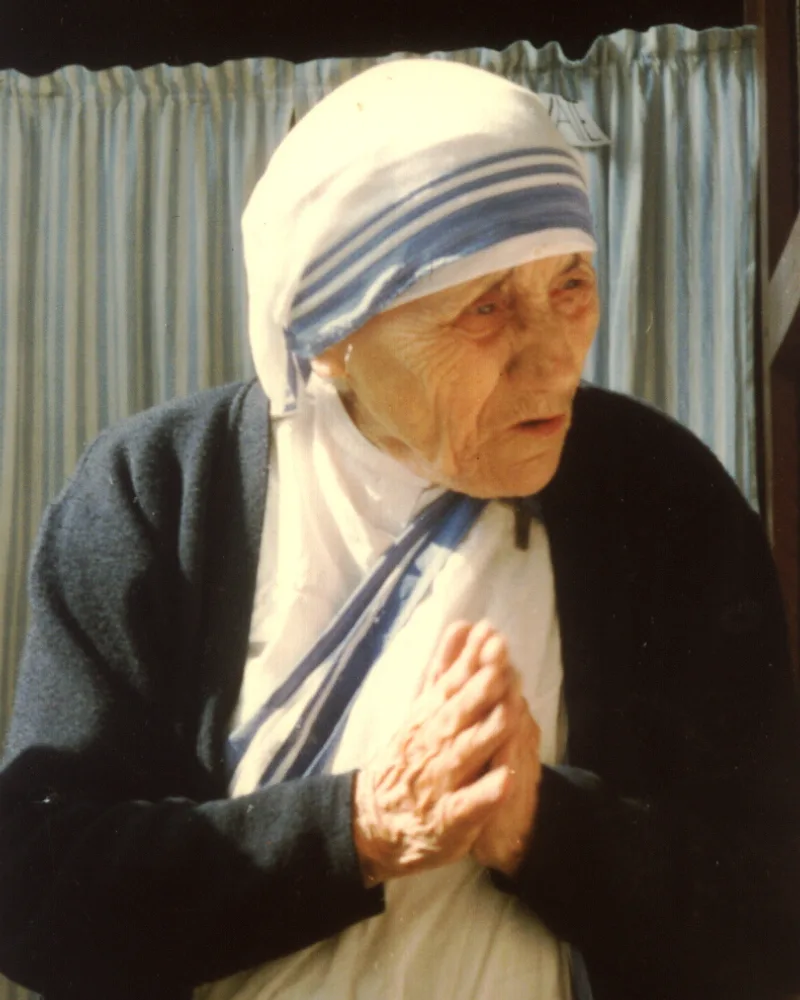
“If I look at the mass I will never act. If I look at the one, I will.”
Why it works
Purpose Commission was not born from a hunch. It rests on economic and behavioral research that shows why direct, voluntary capital with no middlemen creates social mobility.
“If I look at the mass I will never act. If I look at the one, I will.”
“You know what does work? Giving money. Resources, not loans, are what lift families out of poverty.”
“Fight complexity to empower people in their daily lives.”

“More than 99% of my wealth will go to philanthropy during my lifetime or at death.”
“The purpose of the corporation must be redefined as creating shared value, not just profit per se.”
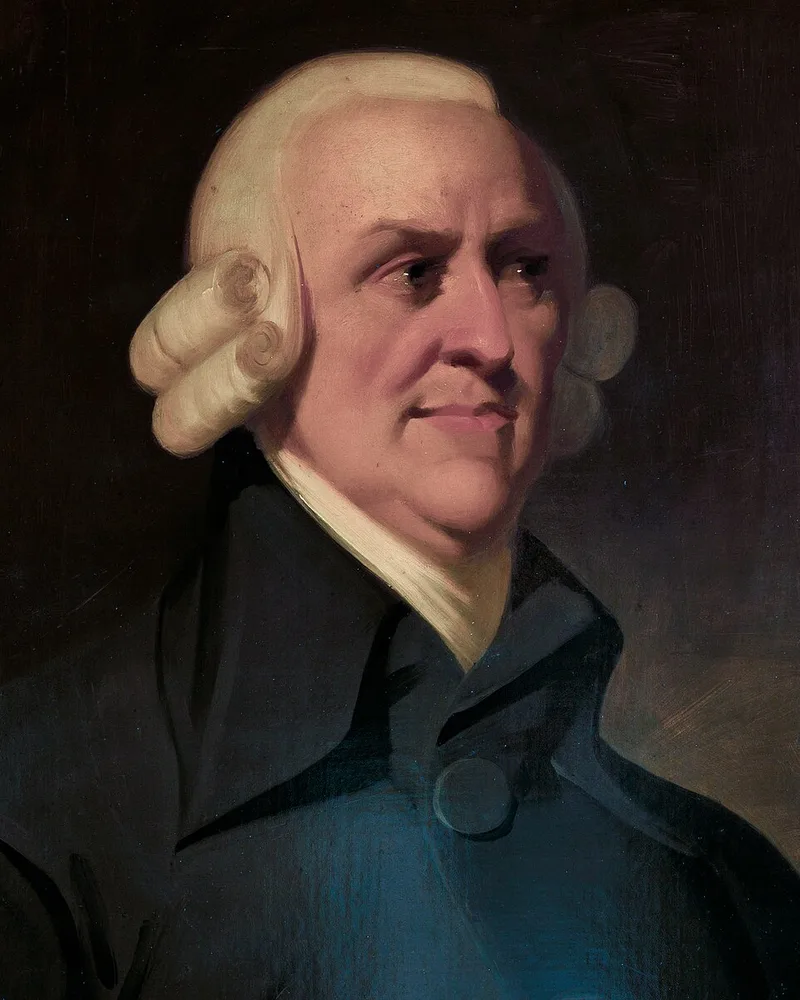
“How selfish soever man may be supposed, there are evidently some principles in his nature, which interest him in the fortune of others, and render their happiness necessary to him, though he derives nothing from it except the pleasure of seeing it.”
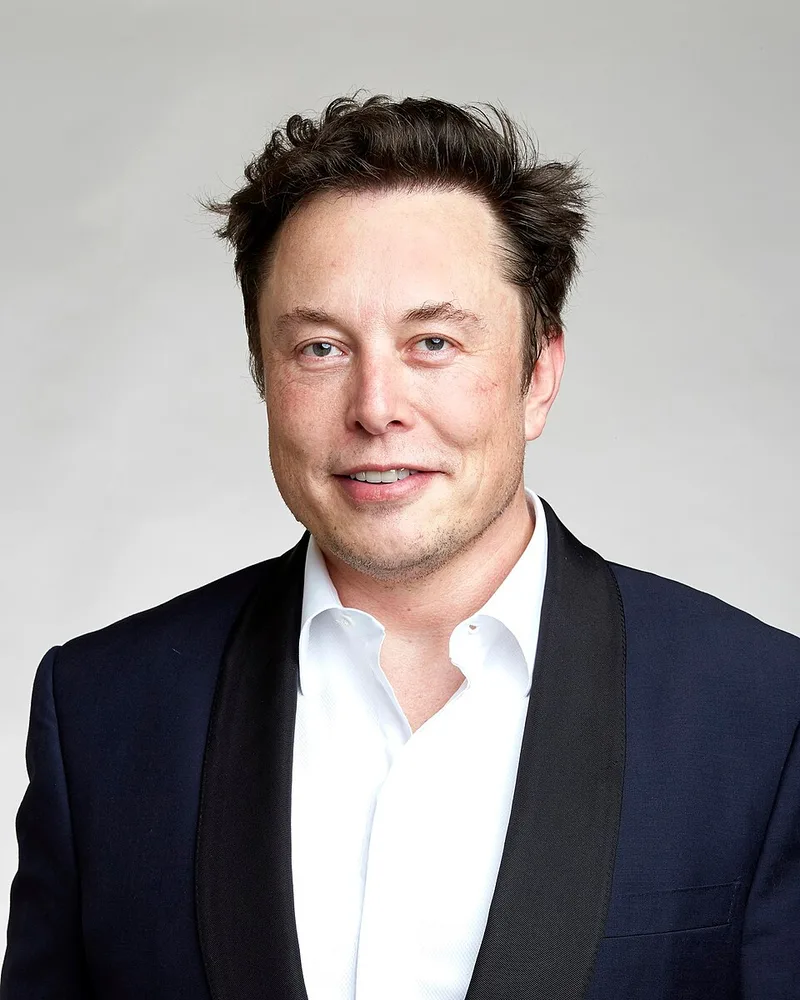
“I think it's possible for ordinary people to choose to be extraordinary.”
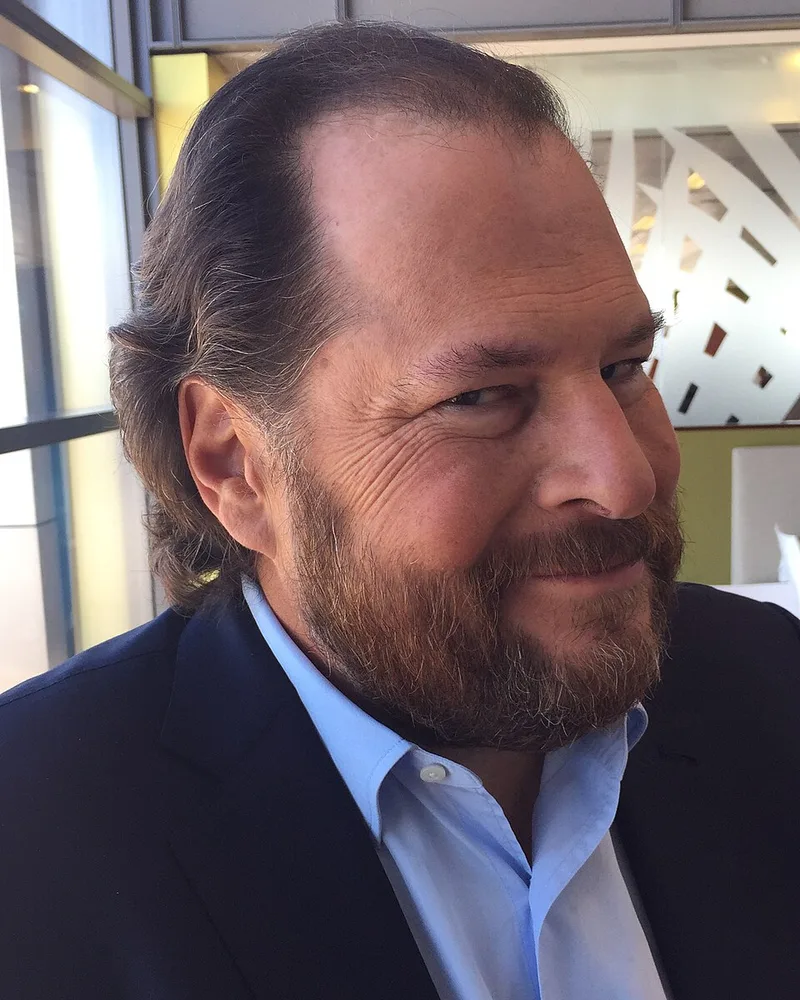
“The business of business is improving the state of the world.”
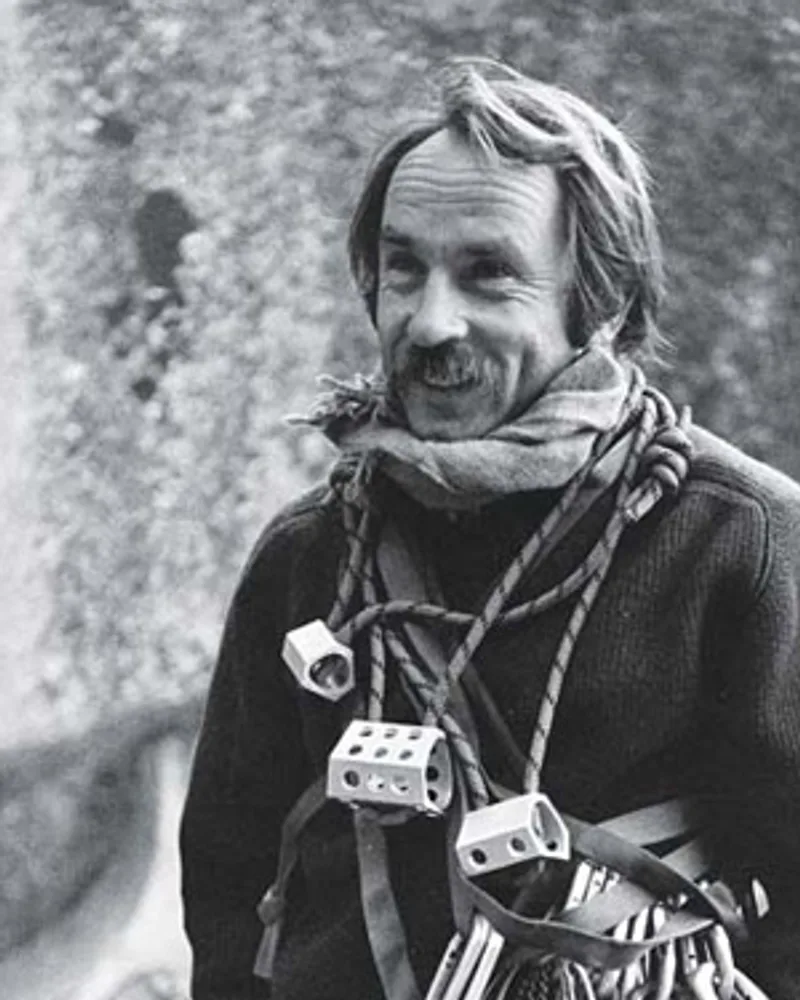
“Earth is now our only shareholder.”
“No one has ever become poor by giving.”
Small capital grants to microentrepreneurs produced monthly returns far above market rates.
De Mel, McKenzie and Woodruff, “Returns to Capital in Microenterprises”, Quarterly Journal of Economics, 2008.Unconditional grants to young people to start trades and businesses raised their earnings substantially.
Blattman, Fiala and Martinez, “Generating Skilled Self-Employment in Developing Countries”, Quarterly Journal of Economics, 2014.Winners of capital in a business plan competition created more firms and more jobs.
McKenzie, “Identifying and Spurring High-Growth Entrepreneurship”, American Economic Review, 2017.Six randomized evaluations of microcredit found modest effects.
Banerjee, Karlan and Zinman, American Economic Journal: Applied Economics, 2015.Direct transfers also benefit the people around the recipient.
Egger, Haushofer, Miguel et al., “General Equilibrium Effects of Cash Transfers”, Econometrica, 2022.People give more when they know their contribution is not lost to overhead costs.
Gneezy, Keenan and Gneezy, “Avoiding Overhead Aversion in Charity”, Science, 2014.An identifiable victim moves people more than a number does.
Small, Loewenstein and Slovic, “Sympathy and Callousness”, Organizational Behavior and Human Decision Processes, 2007.The brain's reward areas activate more when the contribution is voluntary than when it is mandatory.
Harbaugh, Mayr and Burghart, “Neural Responses to Taxation and Voluntary Giving”, Science, 2007.Spending money on others produces more happiness than spending it on oneself, across 136 countries.
Dunn, Aknin and Norton, Science, 2008; Aknin et al., Journal of Personality and Social Psychology, 2013.Connection between people of different socioeconomic levels is one of the strongest predictors of social mobility.
Chetty et al., “Social Capital I”, Nature, 2022.Shared value. Porter and Kramer (2011) argue that social impact is not charity set apart from the business, but part of its competitive advantage. At ROCCA, purpose is part of how we sell.
Capital for those who build. Hernando de Soto, in “The Mystery of Capital” (2000), holds that Latin America has plenty of entrepreneurial spirit and too little access to capital. Purpose Commission takes capital, voluntarily and directly, to those already working to get ahead.
The people quoted have no relationship with ROCCA Inmobiliaria and do not endorse its services. Photographs: Mother Teresa of Calcutta: Evert Odekerken, CC BY 2.5 (Wikimedia Commons); Freddy Vega: Jalisco Campus Party, CC BY 2.0 (Wikimedia Commons); David Vélez: Web Summit Rio, CC BY 2.0 (Wikimedia Commons); Warren Buffett: USA International Trade Administration, public domain (Wikimedia Commons); Adam Smith: unknown author (Muir portrait, National Galleries of Scotland), public domain (Wikimedia Commons); Elon Musk: Debbie Rowe, CC BY-SA 3.0 (Wikimedia Commons); Marc Benioff: cellanr, CC BY-SA 2.0 (Wikimedia Commons); Yvon Chouinard: Tom Frost, CC BY-SA 3.0 (Wikimedia Commons).